


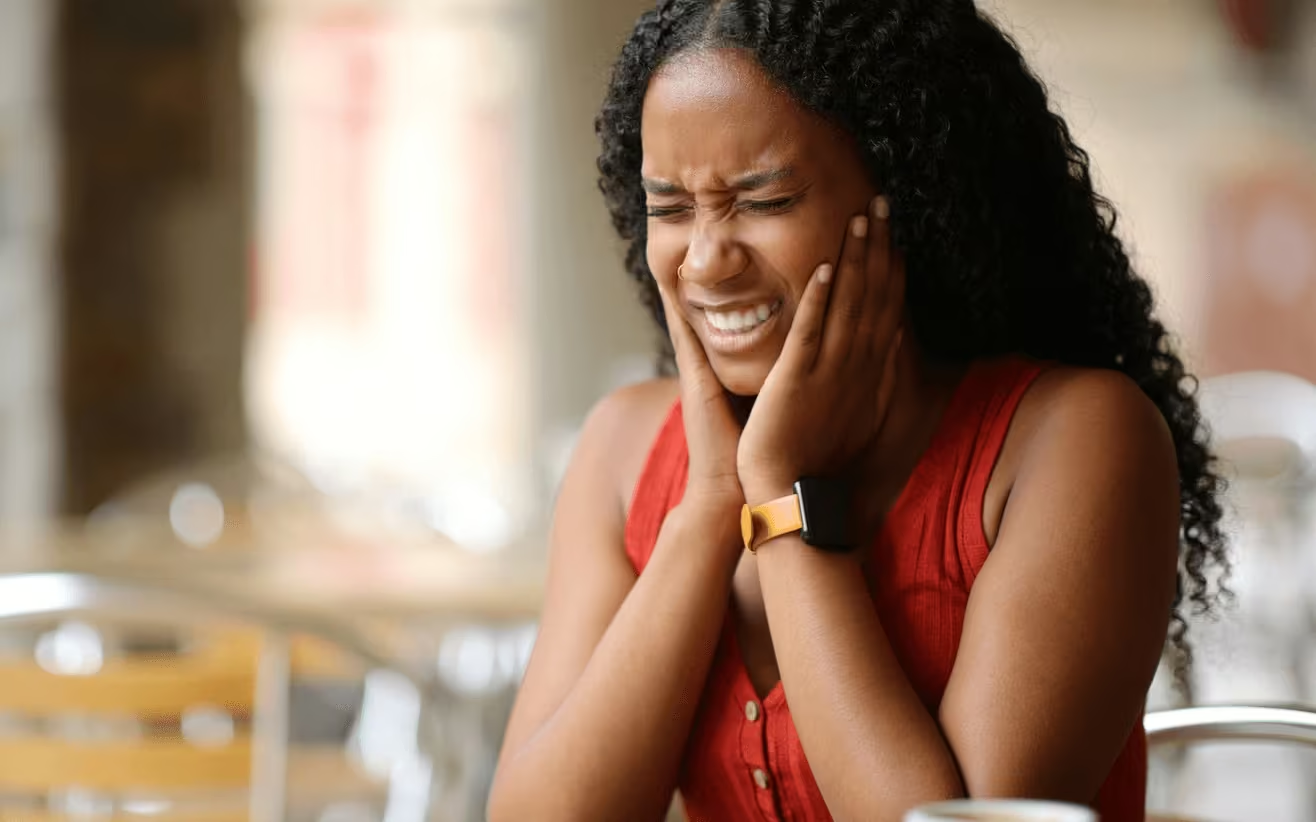
The sound of teeth grinding can be loud enough to wake a sleeping partner, yet many people who do it have no idea it is happening until their teeth show signs of wear. Bruxism, the medical term for teeth grinding and jaw clenching, is a common condition that can occur during sleep or as an unconscious habit during the day while concentrating on a task. Nearly 22% of people experience some form of bruxism, making it one of the most common dental conditions.
Over time, repeated pressure on the teeth and jaw causes significant damage to the teeth, TMJ disorder symptoms, and recurring headaches. Because most people are unaware of teeth grinding and clenching, it’s important to be aware of common signs and symptoms, even if you’ve never experienced bruxism before.
Read on to explore the symptoms, causes, and risk factors for bruxism, and modern treatment options from the best dentist in Los Gatos that can protect your teeth, support jaw health, and improve everyday comfort.
What Causes Teeth Grinding and Jaw Clenching?
Bruxism is the medical term for repeated grinding of teeth or clenching of the jaw muscles. It usually happens without you even realizing it, either while asleep or during the day when concentrating on tasks. Sleep bruxism can go unnoticed until a partner hears grinding sounds at night or a dentist spots unusual signs of wear on the teeth. People who don’t see a dentist regularly sometimes won’t get a diagnosis until they crack a tooth.
Bruxism while you’re awake usually happens during periods of intense concentration, stress, frustration, or anxiety. Some people clench their jaw while working at a computer, driving in traffic, or focusing on a demanding task without realizing it. Other things that can contribute to bruxism include taking certain medications, having a misaligned bite, and sleep disorders like obstructive sleep apnea. Because bruxism can develop and worsen over time, the damage can build over months or years before symptoms become obvious.
What Are the Signs and Symptoms of Teeth Grinding?
Many of the early signs of bruxism can be easy to overlook. Some of the most common symptoms include:
- Waking up with tight jaw muscles
- Facial soreness
- A dull headache that starts near the temples
- Neck pain
- Ear discomfort
- A feeling of jaw fatigue after a long day
Left untreated, bruxism can lead to tooth sensitivity to hot, cold, or sweet foods as the protective enamel begins to wear away. Over time, permanent changes to the teeth can happen. These include:
- Flattened chewing surfaces
- Small chips along the edges of the teeth
- Changes in how the upper and lower teeth come together
- Cracked teeth
How Does Teeth Grinding Damage Teeth?
Bruxism can affect more than just your teeth. The temporomandibular joints are the joints that connect the lower jaw to the skull and allow the mouth to open, close, and move comfortably. Constant clenching and teeth grinding place extra strain on these joints and the surrounding muscles and can cause temporomandibular joint disorder (TMD). This condition causes persistent jaw pain, clicking sounds, or difficulty fully opening the mouth. Additionally, some people with TMD experience frequent headaches, facial tension, or soreness that spreads into the neck and shoulders. Sleep quality may also suffer when grinding occurs throughout the night.
How Teeth Grinding Affects Your Jaw Joint
The temporomandibular joints are the joints that connect the lower jaw to the skull and allow the mouth to open and close. Grinding or clenching your teeth places extra strain on these joints and the surrounding muscles. This can lead to temporomandibular joint disorder, also known as TMD. This jaw condition can cause symptoms like:
- Jaw pain
- A clicking sound when you open and close your mouth
- Difficulty fully opening your mouth
- Frequent headaches
- Facial tension
- Soreness that spreads into the neck and shoulders
Finding the Best Dentist in Los Gatos for a Nighttime Mouth Guard
The effects of teeth grinding and jaw clenching can develop over time, which makes early evaluation one of the best ways to protect your teeth and jaw function. At Smiles Los Gatos, we help patients find practical solutions that fit their needs, whether that is custom-made night guards, stress management, sleep apnea treatment, or other treatment options. Dr. Bliss Zin, a UC Davis graduate who earned her dental degree from the University of the Pacific Dental School, combines comprehensive dental care with advanced training in restorative and cosmetic dentistry.
Ready to get effective treatment for jaw pain, worn teeth, and frequent headaches, while also protecting your oral health from the best dentist in Los Gatos?