


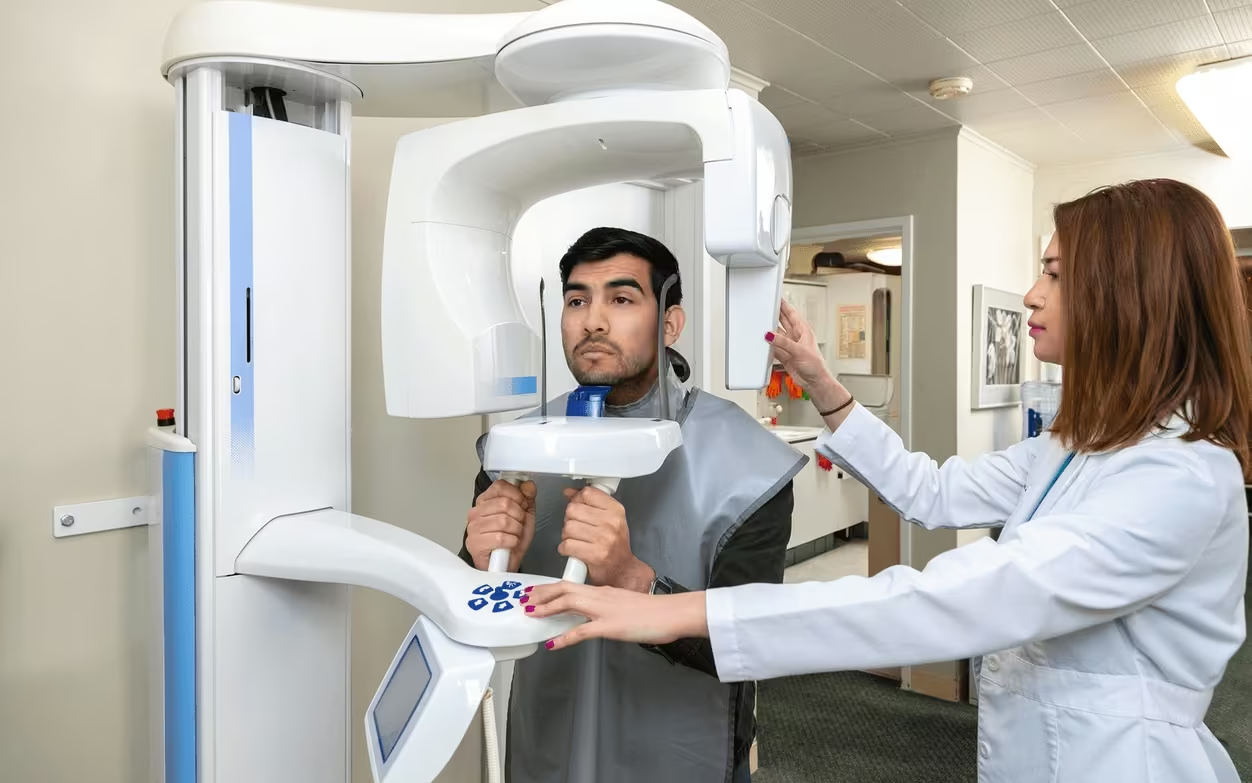
For some people, even just sitting in the waiting room can make your shoulders tense and your heart race. And those feelings can be enough to postpone routine dental care for months or even years. The good news is that modern dental imaging, quieter equipment, more effective numbing techniques, and digital tools have made dental appointments faster and more comfortable.
Dental anxiety is common across all age groups. In fact, large studies find that about 15% of adults worldwide experience dental fear or anxiety, with many delaying or avoiding care because of it. When small dental problems go untreated, they often become larger issues that require more extensive procedures.
Continue reading to learn what has changed that can make it easier to take that first step back into the dental office, and where to find the best dentist in Los Gatos for comfortable, comprehensive dental care.
Understanding Dental Anxiety vs. Dental Phobia
Dental anxiety is a feeling of nervousness or worry about dental treatment. In contrast, dental phobia is much more severe and causes someone to avoid dental care even when they are in pain or know they need treatment. Knowing the difference between these two conditions can help your dentist choose the right approach to make you comfortable.
How Does Dental Anxiety Develop?
For some people, it began with a painful childhood procedure performed before today's improved anesthetics and technology were widely available. Others worry about needles, the sound or vibration of dental instruments, feeling unable to speak during treatment, or having a sensitive gag reflex. Even embarrassment about the condition of their teeth can keep someone from scheduling an appointment.
Symptoms of Dental Anxiety
Dental anxiety often causes physical symptoms before a patient ever sits in the dental chair. Common signs include:
- A racing heart
- Sweaty palms
- Shallow breathing
- Muscle tension
- Trouble sleeping before an appointment
- Feeling nauseated in the waiting room
These reactions are part of your body's normal stress response. They do not mean you're unusually fearful or incapable of getting dental care. However, dental anxiety exists on a spectrum. Whether you feel mildly nervous or have avoided the dentist for years, your concerns are real and can usually be managed with the right combination of communication, technology, and personalized care.
How Has Modern Dental Technology Made Dental Visits More Comfortable?
Modern dental technology focuses on patient comfort to make visits easier by reducing discomfort, shortening appointment times, improving accuracy, and eliminating many of the experiences patients remember from years ago. For anxious patients, this often means shortening treatment by 15 to 20 minutes or more, and avoiding triggering procedures like cavity drills with advanced laser technology.
Sedation Dentistry vs. Local Anesthesia: What Helps With Dental Anxiety?
Local anesthesia prevents pain during dental procedures, while dental sedation helps patients feel calmer and more relaxed. They serve different purposes, and many patients benefit from using both together. Finding the right choice depends on your medical history, the complexity of the procedure, and your comfort level:
Nitrous oxide, commonly called laughing gas, is one of the most frequently used options because it works quickly and wears off within minutes after treatment ends. Oral and IV sedation techniques are generally reserved for patients with more significant anxiety, lengthy procedures, or medical needs that make treatment difficult without additional relaxation.
One common misconception is that getting numb automatically relieves anxiety. While local anesthetic blocks pain, it does not reduce fear or nervousness. Patients who become anxious before appointments can benefit from sedation options.
Small Comfort Measures That Can Make a Big Difference
Advanced technology is valuable, but many of the biggest improvements in dental anxiety come from thoughtful communication and personalized care during routine dental exams and restorative dental procedures. This can include:
- Explaining each step before it happens: Patients who know what sensations to expect are less likely to interpret normal pressure or vibration as pain.
- Topical numbing medication: Before administering local anesthetic, dentists frequently numb the surface tissue first. This simple measure helps many patients barely notice the injection.
- Breaking treatment into shorter visits: Completing several smaller appointments may feel much more manageable than trying to finish extensive dental work in one sitting.
While technology matters a great deal, the best family dentist in Los Gatos knows that building trust, communication, and individualized care makes a huge impact on whether patients leave feeling confident about their next dental visit.
Finding the Best Dentist in Los Gatos for Those with Dental Anxiety
Dental anxiety does not have to stand between you and a healthy smile. For patients in Los Gatos, Dr. Bliss Zin offers digital imaging, improved numbing techniques, and personalized comfort options that have changed the dental experience enough to make that first appointment feel much more manageable.
We help patients rebuild confidence in dental care by tailoring treatment to their comfort level from the very first visit. Our team is led by Dr. Zin, who combines years of experience in general dentistry with advanced training in dental implants and Invisalign, giving her the ability to recommend thoughtful, individualized treatment while helping patients feel at ease throughout the process.
If dental anxiety has kept you from getting the care you need, we're here to answer your questions. Ready to see the best dentist in Los Gatos for someone who is nervous about seeing the dentist?